






Looking to sell your house? Get in touch!

Receiving a notice of default is a stressful situation, but it's not the end of the road.

Here are some steps you can take:

  • Contact your lender immediately. Don’t ignore the notice. There may be options available to help you get caught up on your payments and avoid foreclosure.
  • Review the notice carefully. Understand the amount you owe and the timeframe for resolving the default.
  • Explore loss mitigation options. Your lender may be able to work with you on a loan modification, repayment plan, or other options to help you keep your home.
  • Seek professional help. Consider consulting a housing counselor or attorney to understand your rights and explore all available options.
Read More

Receiving a notice of default is a stressful situation, but it's not the end of the road.

Here are some steps you can take:

  1. Immediate Action is Key
    • Contact Your Lender Immediately: The moment you realize you’re struggling to make payments, reach out to your lender. Explain your situation honestly and openly. Early communication is vital for exploring potential solutions.
    • Seek Professional Help:
      • Housing Counselors: These experts provide free or low-cost guidance. They can help you understand your options, create a budget, and negotiate with your lender.
      • Attorney: If your situation is complex, an attorney can advise you on your legal rights and represent your interests.
  2. Explore Foreclosure Alternatives
    • Loan Modification: This involves adjusting your loan terms (e.g., lower interest rates, extended repayment period) to make payments more manageable.
    • Refinancing: If interest rates have dropped, refinancing could lower your monthly payments.
    • Forbearance: This allows you to temporarily suspend or reduce your mortgage payments for a limited time.
    • Short Sale: Selling your home for less than what you owe on the mortgage. This requires lender approval.
    • Deed in Lieu of Foreclosure: Voluntarily transferring ownership of the property to the lender in exchange for the release of your debt.
  3. Stopping Property Tax Foreclosure
    • Payment Plans: Contact your local tax assessor’s office to discuss payment plans or installment agreements.
    • Appeal Your Property Tax Assessment: If you believe your property’s assessed value is inaccurate, appeal the assessment to potentially lower your tax bill.
    • Seek Financial Assistance: Explore government programs or local charities that may offer assistance with property taxes.
  4. Can a Foreclosure Be Reversed?

    In some limited circumstances, a foreclosure may be reversed. This often requires legal action and may be possible if:

    • Fraud or Misrepresentation: The foreclosure process was conducted improperly or based on inaccurate information.
    • Errors in Documentation: Critical documents were missing or contained errors.
    • Hardship: Unforeseen circumstances (e.g., job loss, medical emergency) significantly impacted your ability to make payments.
  5. How to Avoid Foreclosure
    • Budgeting: Create a realistic budget and track your expenses carefully.
    • Emergency Fund: Build an emergency fund to cover unexpected expenses.
    • Maintain Good Credit: A good credit score can improve your options if you encounter financial difficulties.
    • Stay Informed: Understand your mortgage terms and keep up-to-date on any changes in your financial situation.
Read More

Facing a notice of default? We can help you explore loss mitigation and save your home. Get in touch now!

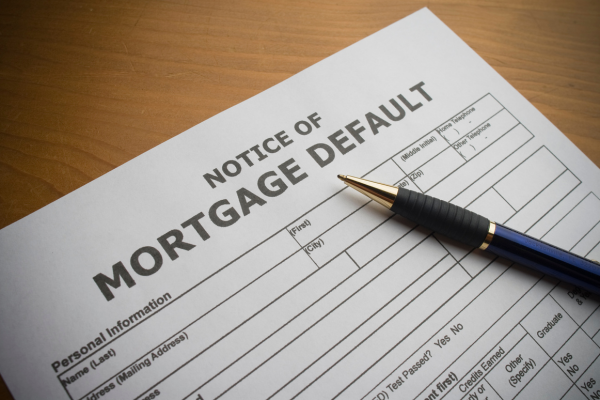
Notice of Mortgage Default document

Reverse Mortgage

While reverse mortgages don’t involve traditional missed payments, a default can still occur if you violate loan terms.This could be failing to maintain property taxes and insurance, or abandoning the property. If this happens, you may receive a notice of default just like with a regular mortgage, starting the foreclosure process.

We can still help in this situation. We can advise you on how to potentially cure the default and connect you with specialists to navigate the complexities of a reverse mortgage default. If foreclosure seems unavoidable, we can also assist you with selling the property before the lender takes over, potentially maximizing the proceeds from the sale. Remember, the quicker you take action, the more options you’ll have.

a Balance

Probate

While a notice of default initiates the foreclosure process, it’s important to understand that probate, a separate legal process, might also come into play after the homeowner passes away.

Probate deals with settling the deceased’s estate, including paying off debts and distributing remaining assets to beneficiaries outlined in a will or according to state law if no will exists. If the estate includes the foreclosed property, it can complicate the foreclosure timeline. We can’t directly assist with probate court matters, but we can help you understand how it might affect the foreclosure process and connect you with resources for probate guidance.

rings on papers

Divorce

While a notice of default typically applies to missed mortgage payments, it can also arise during a divorce when the marital home is involved. This adds another layer of complexity to an already stressful situation.

If you’re facing both a notice of default and a divorce, it’s essential to address them concurrently. We can’t provide legal advice on divorce, but we can assist you by helping value the property to facilitate a fair settlement, exploring options with your spouse regarding the home’s future, and guiding you through the real estate market once the situation is resolved.

unboxing

Relocation of Elderly

While facing a notice of default is a difficult situation, it can be especially challenging for seniors who may be emotionally attached to their home. Relocating can be disruptive to their routines and social connections.

If you’re helping an elderly loved one facing foreclosure, prioritize their well-being throughout the process. Consider senior living communities or exploring options that allow them to remain close to familiar surroundings if possible. We understand the importance of finding the right fit and can help you navigate the real estate market to find a new home that meets their needs and budget.

a man thinking deeply

Permanently Injured

A notice of default can be even more burdensome for homeowners facing permanent injuries. Daily tasks like managing finances or maintaining the property can become significantly more difficult.

If a permanent injury is affecting your ability to handle your mortgage obligations, it’s crucial to seek help as soon as possible. We can’t offer legal advice, but we can connect you with resources that might be able to assist with your situation. Additionally, if foreclosure seems unavoidable, we can help you navigate the process of selling your property to maximize the proceeds and potentially ease the financial burden.

Notice of Mortgage Default document

Notice of Default

Facing a Notice of Default can be overwhelming. It’s important to act quickly to explore your options and potentially save your home. We can be your partner in navigating this difficult situation. We’ll help you understand your rights and the different loss mitigation strategies available, such as loan modifications, repayment plans, or short sales. We can also connect you with qualified housing counselors or loss mitigation specialists who can advocate on your behalf. Even if foreclosure seems inevitable, we can guide you through the process of selling your property before the bank takes possession, potentially allowing you to retain some control and walk away with some equity. Don’t face foreclosure alone. Contact us today for a free consultation.

Our Reviews

Our Zillow Reviews

Notice of Default Frequently Asked Questions

  • How long does a homeowner have after a Notice of Default in Utah before foreclosure?

    In Utah, receiving this notice typically opens a reinstatement period  often around 90 days  before the lender can schedule a foreclosure sale. During this window, homeowners still have time to cure the default, request a loan modification, or pursue proven foreclosure solutions before the property goes to auction. 

  • Can I get a loan for foreclosure to stop the process in Utah?

    Some homeowners look into a loan for foreclosure  such as a hard money loan or shortterm bridge loan  to catch up on missed payments and pause the timeline. This route isn’t right for everyone, so it’s worth talking it through with our team before committing to a lender or private loan. 


  • What happens to an elderly homeowner's house during this process?

    When a senior is facing this situation, it often involves more than finances  it can mean coordinating senior moving services, downsizing, or relocating closer to family while the clock is running. We help families manage that transition and find the right next home for their loved one. 
  • Do I need a probate attorney if this notice is filed on a deceased relative's home?

    Yes  if the homeowner has passed away and the property is in probate; a probate attorney is essential for handling the legal estate process alongside the foreclosure timeline. We can’t give legal advice on probate matters, but we coordinate with attorneys and families regularly  feel free to reach out to us and we’ll point you in the right direction. 

  • Who can help me understand my options after this happens in Utah?

    A combination of a HUDapproved housing counselor, a real estate attorney, and a local real estate team can help you understand loss mitigation options like loan modification, repayment plans, or a short sale before you lose the property. The Acevedo Team specializes in guiding Utah homeowners through this exact process  you can learn more about who we are and how we help. 

Even with a Notice of Default, there may be hope for your home.

Learn more about your options and how we can assist you. Get a free consultation!